


How Kinetic’s Karori depot in Wellington went quietly electric
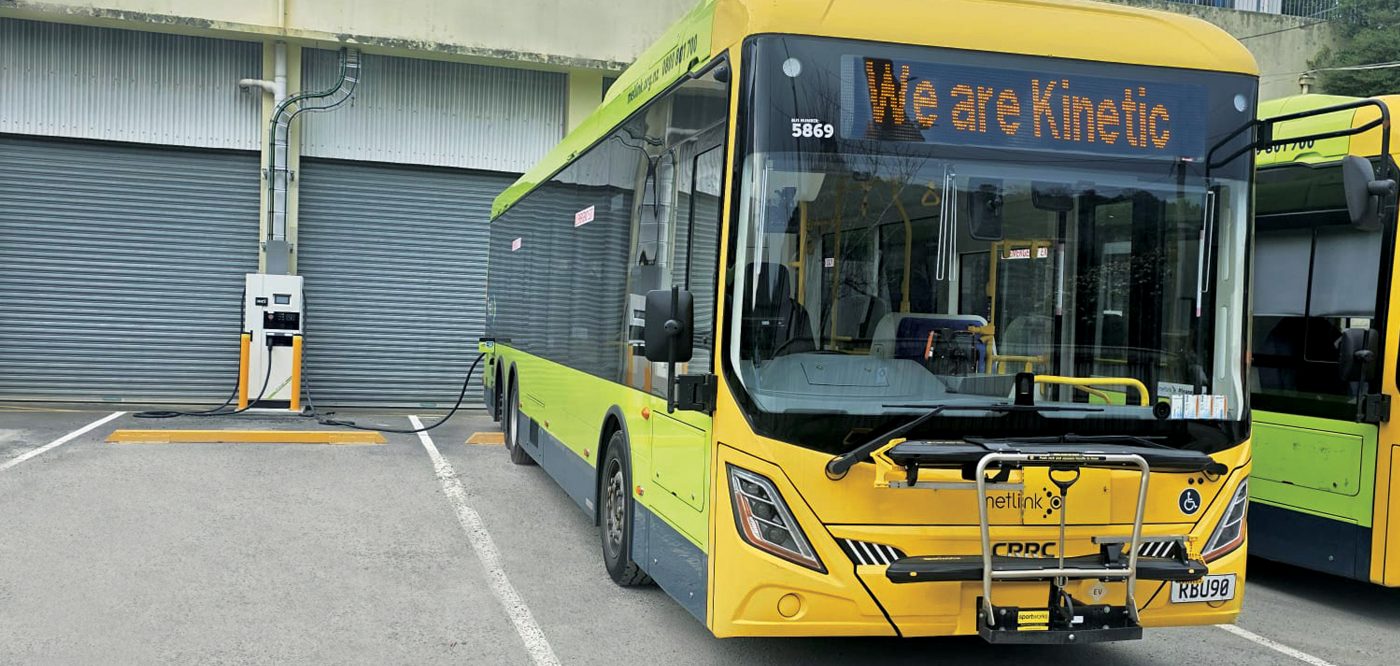
For passengers on Metlink's Route 2, nothing about their journey has changed. Same route, same stops, same service. What's changed is how the bus is powered, and what's now built into the depot behind the scenes.
Kinetic's Karori depot in Wellington is now running its electric fleet at full capacity, with 10 electric light vehicles (ELVs) charging to 100% every day across 15 charging stations. The vehicles aren't new to the network. They've been relocated from Kilbirnie depot.
Karori's long-term mix will settle at 7 ELVs, so for now it's temporarily running above that number, until the site's electric articulated vehicles (EAVs) arrive and the fleet rebalances.
Planning for the upgrade began in April 2025, and the charging infrastructure was completed by December 2025, making it a comparatively tight, contained electrification project by Kinetic's standards. All 10 ELVs continue to operate on Route 2, the same service they ran prior to the transition.
Unlike some of Kinetic's larger, more complex depot builds, Karori's upgrade didn't come with major surprises. The project team ran a straightforward, well-sequenced rollout and kept every service running out of the depot throughout construction, with no disruption to passengers.
Karori has been designed with the future fleet in mind. Ultimately 8 electric articulated vehicles (EAVs) will operate from this site but this year 5 will join the depot using the same charging infrastructure as the ELVs, so no additional depot works will be required when they arrive. They’ve yet to reach New Zealand, with services expected to commence from Karori in late 2026 to early 2027. Their introduction will bring significant driver training and familiarisation.
The transition is already delivering operational gains, including a reduction in dead running (non-in-service, or NIS) kilometres between depots and services, and a noticeable drop in noise levels at the depot itself.
It's a small update on paper, but it reflects the work happening behind the scenes across Kinetic's network to support the shift to zero-emission public transport. It's infrastructure that must be right long before a bus ever plugs in.