


Building confidence through every journey
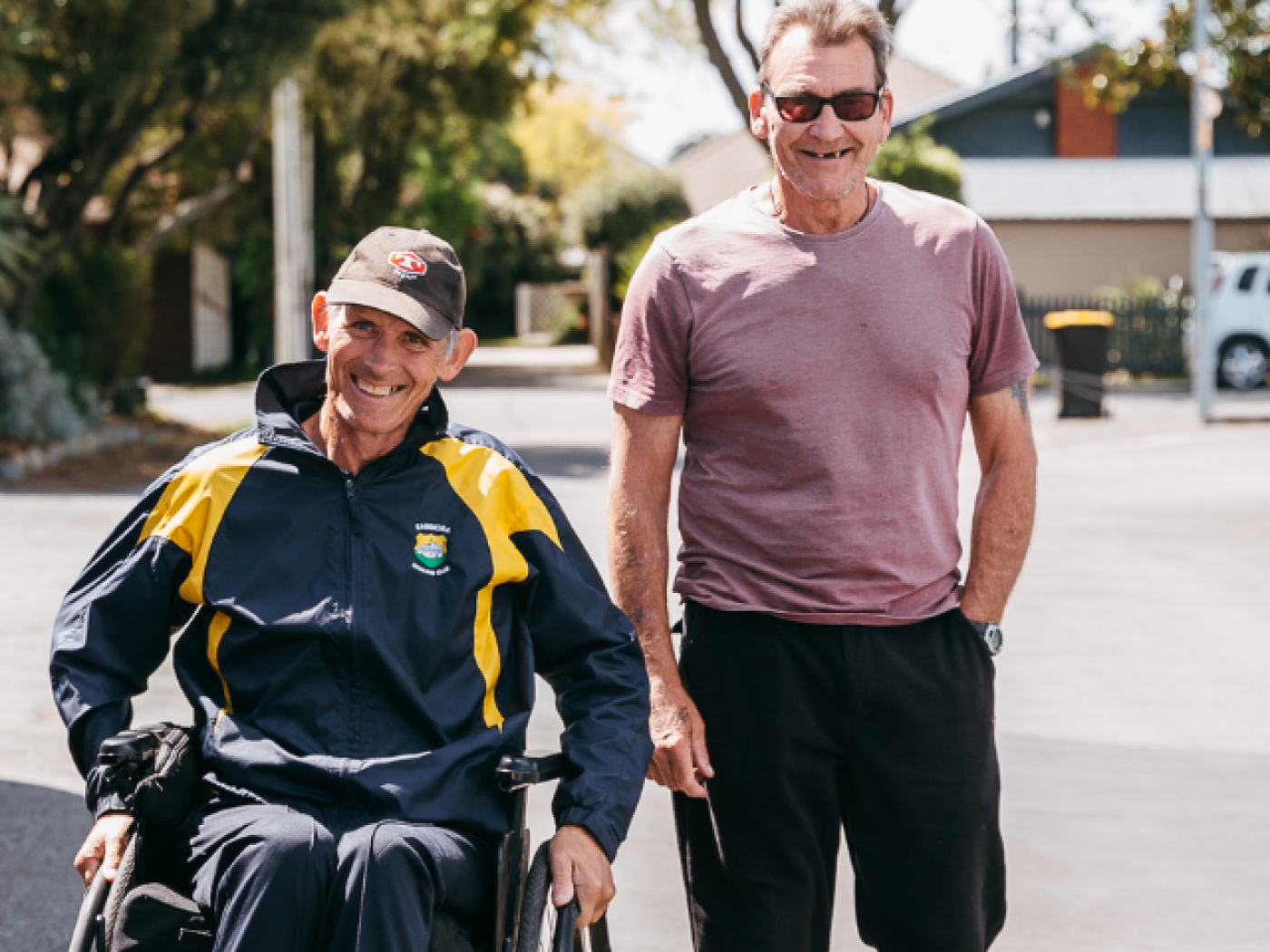
Photo: CCS Disability Action files
For many people, catching the bus is something they rarely think about. For others, every journey requires planning, confidence and trust.
Creating an accessible public transport network isn't just about low-floor buses or wheelchair ramps. It's about ensuring every part of the journey, from finding information and boarding safely, to interacting with a driver and arriving at a destination, works together to give passengers the confidence to travel independently.
It's a challenge the public transport sector is still working through, and one Kinetic New Zealand is committed to being part of, recognising that accessibility isn't delivered through infrastructure alone. It's built through people, partnerships and a willingness to keep improving.
Since 2021, Kinetic New Zealand has worked alongside CCS Disability Action to better understand the everyday experiences of disabled passengers and strengthen how our people respond to different accessibility needs. CCS Disability Action is a leading New Zealand organisation that provides disability support services and advocates for the rights of disabled people.
That relationship has included disability awareness workshops for drivers across our Hamilton and Tauranga operations, delivered by trainers with lived experience. The goal is straightforward: helping our teams understand the practical and often unseen barriers passengers face, and what a difference small actions can make.
Building on this, we're now developing a new accessibility module through our online Learning Management System. Rather than focusing solely on policy, the training uses real-world scenarios and includes perspectives from the disability community to help drivers better understand different passenger experiences.
We're also progressing Hidden Disabilities Sunflower accreditation across our New Zealand urban operations, having already achieved accreditation across our Australian operations. The programme helps employees recognise that not every disability is immediately visible, and reinforces the importance of responding with patience, empathy and understanding.
Having reached around 80% of the accreditation level across our urban operations here in New Zealand, we're under no illusion that accreditation alone is the goal. What matters is whether the message, and resulting action, is embedded in day-to-day behaviour. We know there's real work still to do, particularly around moments like recognising a Hidden Disabilities Sunflower lanyard, allowing extra time for someone to board, or understanding how to interact with a passenger travelling with an assistance dog.
Many of these themes are reflected in independent research recently supported through Kinetic's 2025 Moving Communities Fund.
Led by CCS Disability Action and researcher Bridget Doran, the report explores the barriers that prevent disabled people from making every day journeys and highlights the importance of considering accessibility across the entire travel experience, not just the vehicle itself.
The findings reinforce many of the areas we're continuing to focus on in New Zealand: creating accessible public transport requires more than accessible buses. It requires listening to lived experience, investing in people and continually looking for ways to remove barriers across the entire journey.
We're not claiming to have this fully resolved. Accessibility is built over time, through partnerships, learning and thousands of everyday interactions between passengers and frontline teams.
What we can commit to is staying in the conversation: supporting independent research, investing in staff capability and working alongside organisations like CCS Disability Action to understand where the gaps are and how to close them. Not because it's a compliance exercise, but because it's the right thing to do for the communities we serve across New Zealand.
This story complements the recent Cost of Journeys Not Taken report by CCS Disability Action, which explores the barriers disabled people face when accessing public transport and highlights opportunities to improve accessibility across the transport network. Read the report and CCS Disability Action's summary.