Victoria's first overhead gantry charging powers zero-emission buses at Kinetic's Preston depot
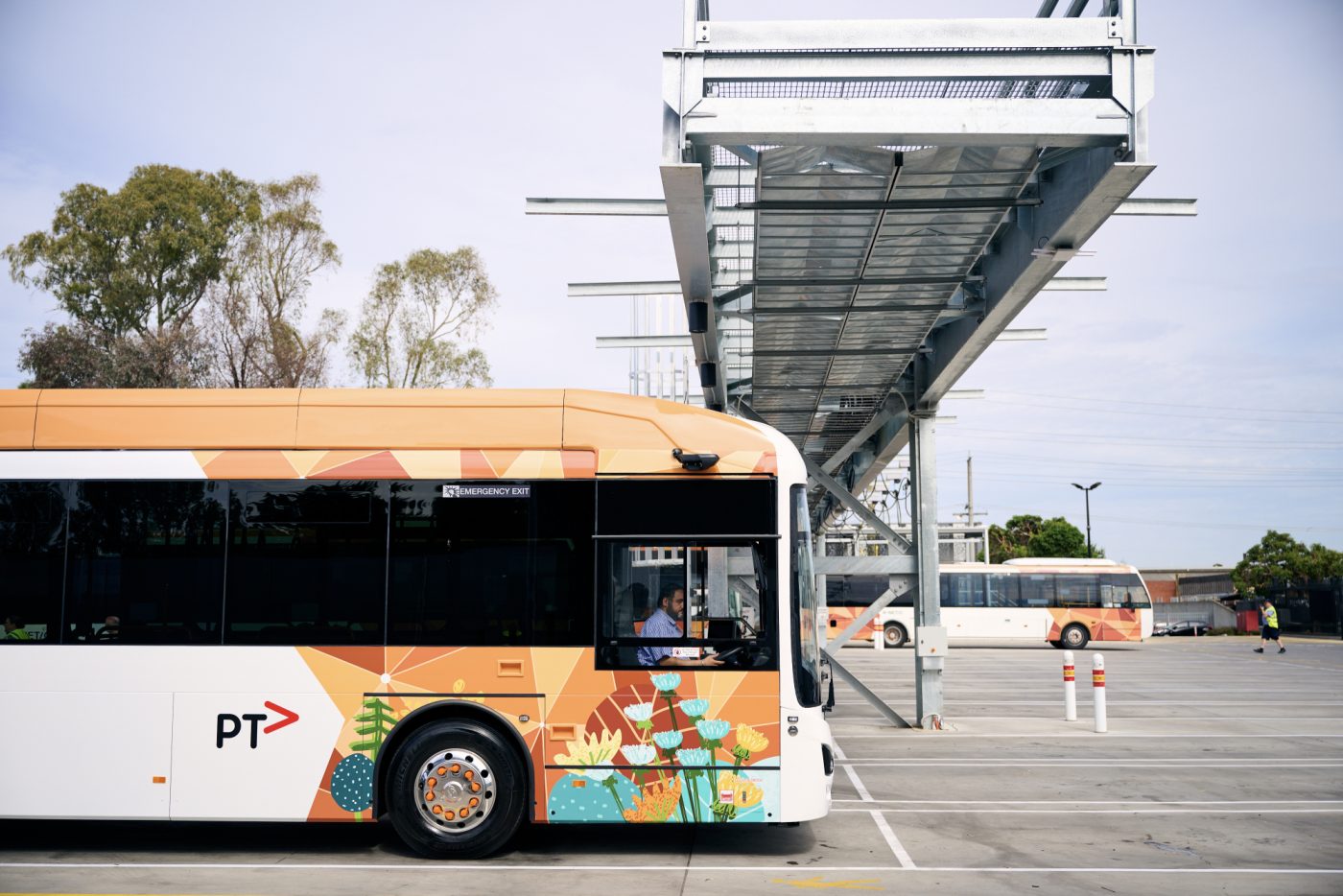
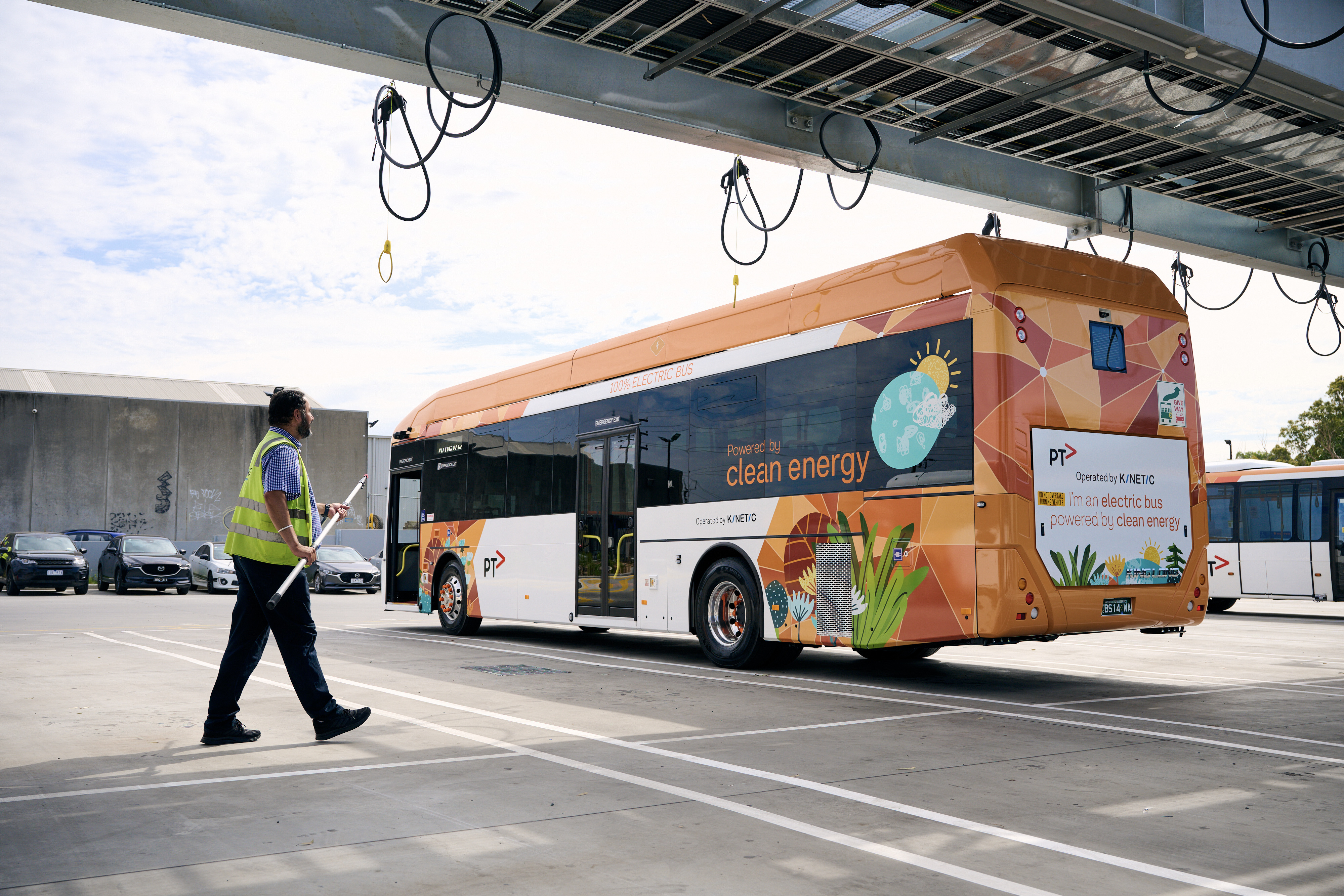
Kinetic's Preston depot has become the first bus facility in Victoria to operate zero-emission buses using overhead gantry charging infrastructure – a system now powering the depot's first electric bus in service.
The purpose-built facility, constructed in partnership with the Victorian Department of Transport and Planning, officially opened on 29 January 2026, with its first zero-emission bus entering passenger service the same day.
A total of 58 zero-emission buses will be progressively introduced at Preston over the coming years, with the entire fleet transitioning to zero-emission vehicles over the 10-year term of the Metropolitan Zero Emission Bus Franchise (MZF).
Global leadership in zero-emission bus infrastructure
The Preston depot builds on Kinetic's proven track record in electric bus infrastructure, with the bespoke depot design drawing on performance data and learnings from Kinetic's global electric bus footprint.
Kinetic's first overhead charging gantry in Australasia was installed at its Glenfield depot in Auckland – marking New Zealand's first large-scale overhead gantry charging system – as part of a mixed-model charging approach.
The Glenfield gantry allows multiple zero-emission buses to be charged efficiently, safely, and at scale, all within the existing depot footprint.
Glenfield is one of five electrified Kinetic depots in Auckland, which together support 195 zero-emission buses – more than two-thirds of Auckland's current electric fleet.
In total, New Zealand is home to 355 Kinetic-operated zero-emission buses across 12 electrified depots, with Kinetic's New Lynn depot in West Auckland bearing the honour of Australasia's largest all-electric bus depot.
Preston is now Kinetic's first Australasian depot to feature sole gantry charging, with Kinetic Executive General Manager – Electrification, Kayne Baas explaining that our experiences have taught us that gantry systems provide superior benefits for high-density depot operations.
"While the initial construction costs may be marginally higher than ground-mounted alternatives, the long-term operational advantages are substantial, and we're now seeing those benefits in action at Preston,” he said.
How the system works
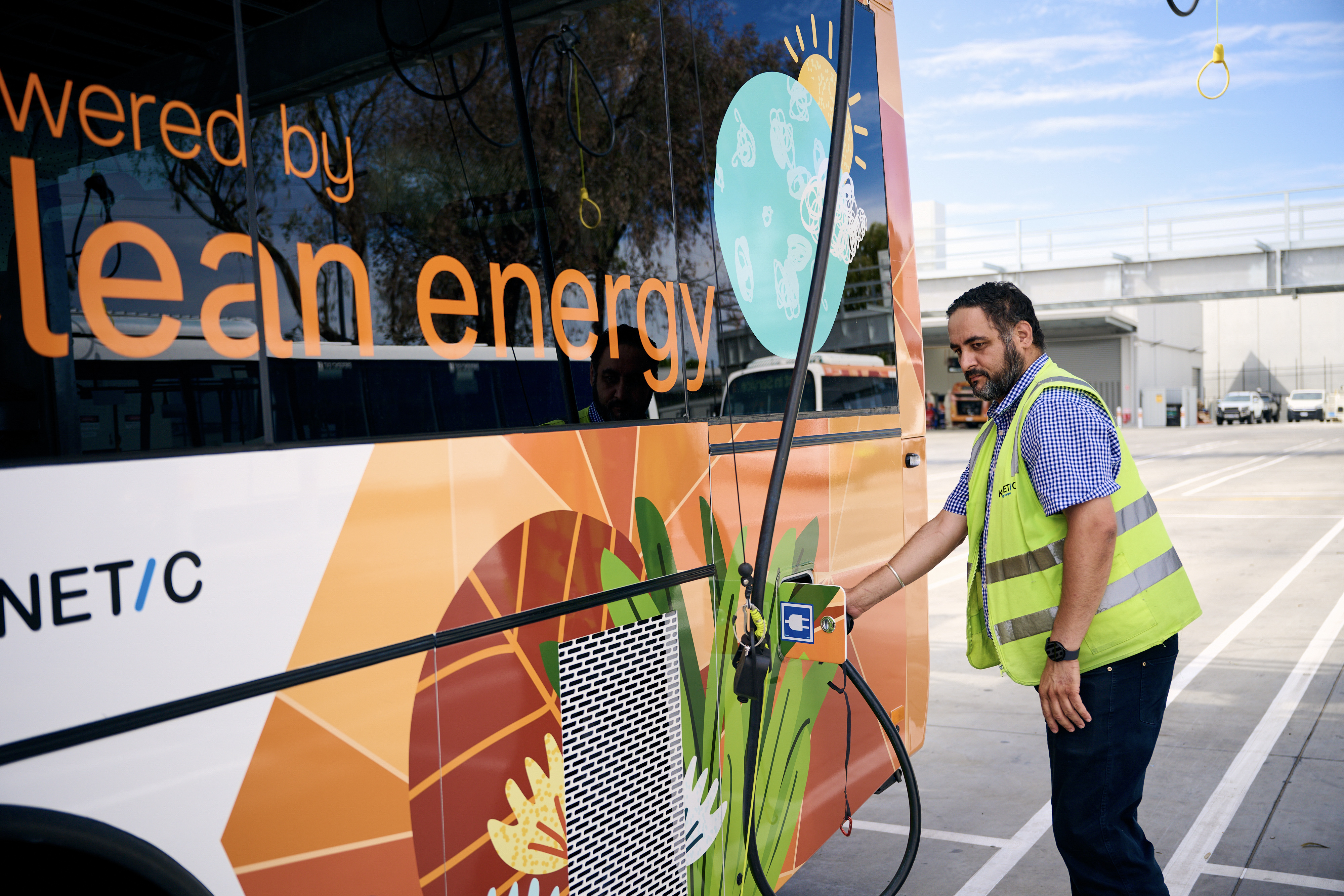
Unlike traditional ground-mounted charging points, the Preston gantry system suspends charging equipment from an overhead structure. Power cabinets and dispensers are mounted on the gantry, with cable reels hanging from above.
Cable reels are simply pulled down to connect the charging plug to the bus charge port. Once charging is complete, the cable retracts automatically, keeping the depot floor clear and minimising trip hazards.
Why gantry charging?
The overhead gantry design offers several advantages over traditional ground-mounted charging infrastructure.
Gantries require minimal civil groundwork, can be fabricated off-site, and are installed with minimal disruption to depot operations.
Unlike ground-mounted systems, which can reduce parking capacity by 15 to 25%, the Preston depot's gantry system maximises available space, allowing for more electric buses than would be possible with ground-mounted charging in the same footprint.
Safety considerations also factored into the design decision. Ground-mounted chargers have been known to face repeated damage from bus tail swing, with an overhead gantry system eliminating these risks while also reducing potential for tyre sidewall and panel damage, which has historically been 18–26% higher at depots using ground-mounted infrastructure.
The site is Kinetic's fourth electric bus depot in Victoria and the 12th across Australia, reinforcing the company's position as one of the region's largest operators of zero-emission buses.