


Future fit: solving workforce challenges and growing inclusion in transportation
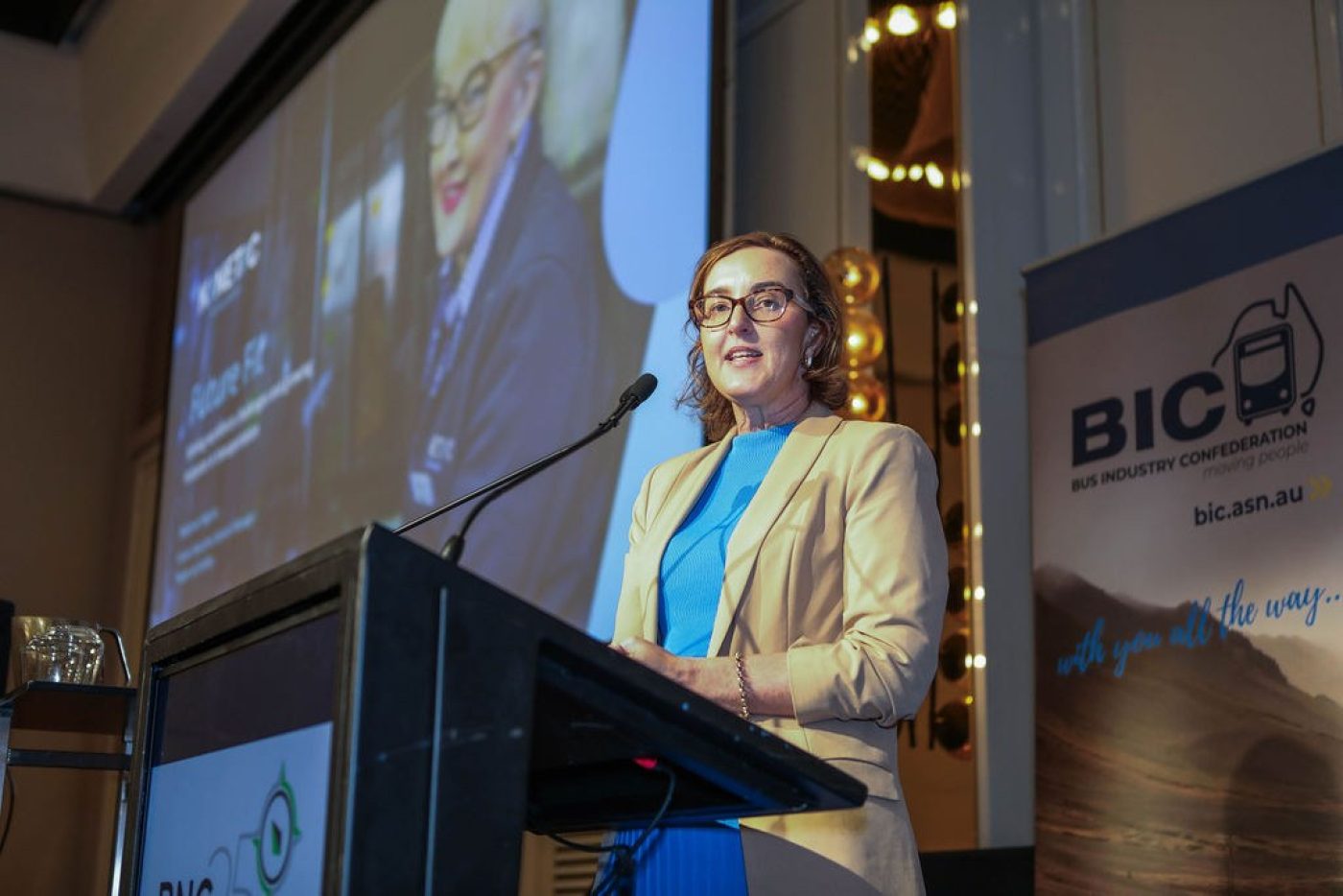
By Madonna Hegerty, Kinetic Executive General Manager of People and Safety (Australia)
Imagine it's 2042. The electric buses you proudly purchased in 2030 as part of your electrification strategy sit stranded on a hard stand outside the state-of-the-art depot you built to house them in 2035. Traffic is at a standstill, because everyone is driving cars everywhere. Why? Because we didn't focus heavily enough on planning our workforce for the future and now we don't have anyone to drive our buses.
This scenario may sound far-fetched, but the warning signs are already here. While the industry focuses on fleet electrification and infrastructure investment, we're overlooking the most critical component: the people who drive our buses.
The crisis hiding in plain sight
We know that many bus operators have struggled to recover their workforce since the COVID-19 pandemic, and the challenges facing our industry are very real. The 2021 Australian Bureau of Statistics Census showed we were already running out of bus drivers even before the pandemic hit. Since then, we at Kinetic have been on a four-year journey of workforce planning and strategic focus. While 90% of our regions are now at establishment levels, we recognise the broader workforce challenges affecting the entire industry.
The statistics reveal a workforce that, in its traditional form, is shrinking. We have an ageing demographic with insufficient replacement at the other end of the pipeline. Where younger drivers are engaged, a significant majority were born overseas, pointing to a domestic recruitment challenge.
Perhaps most telling: in the transport industry, only about 14% of drivers are female. The general population is over 50% female. We're essentially ignoring half of our potential workforce while complaining about labour shortages.
If we always do what we've always done, we'll get what we've always gotten. This isn't going to set us up well for success in the future.
The answer isn't complex: diversity. Diversity of age, life experiences, ethnicity, culture, and gender.
The structural barriers we've built
Age is a challenge at both ends of the lifecycle. Younger people don't find bus driving attractive, and it's not a profession they can enter straight out of school, given licensing requirements. On the other end, our best school bus drivers are often people who have had fulfilling professional careers. However, when these drivers pick up extra shifts, their pension payments may be impacted, making it less attractive to work additional hours. As an industry, it is our responsibility to make policymakers aware of these challenges and considerations.
The solution to attracting younger people is to attract them to the industry early, train them up, pay them well, and provide visible career pathways. At Kinetic, we offer a nationwide Mechanical Apprentice Program across our Australian operations, taking on first year cohorts each January, creating a pipeline to fill qualified tradesperson roles. All drivers participate in a traineeship in Certificate III in Driving Operations. As we engage more young people, this offering becomes important in attracting younger talent who want to use this qualification as a springboard into a successful career in transportation.
The bus driver profession, although requiring training, qualifications and work experience, has only just returned to the national skilled migration list. This creates another option for us to introduce younger people who weren't born in Australia to bus driving roles, particularly when the data tells us that this is fertile recruitment ground. Labour agreements are an alternative solution, enabling approved businesses to sponsor skilled overseas workers when there's demonstrated need that cannot be met in the Australian labour market.
The diversity dividend
A diverse workforce in the public transport system significantly enhances customer experience and encourages greater participation. When employees reflect the varied backgrounds and experiences of the communities they serve, they bring unique perspectives that lead to more culturally sensitive and customer-focused services.
The success of our Moving the Mob program, first launched in Cairns in 2023, has seen First Nations employment increase in Cairns from 1% to 9% since the program’s inception. This has led to community partnerships with the commencement of a bus service bringing First Nations workers from Yarrabah into Cairns to take on work in the city.
Moreover, diverse teams are more innovative and adaptable, able to address a broader range of customer needs and preferences. This inclusivity not only improves service delivery but also builds trust and satisfaction among passengers, ultimately encouraging more people to choose public transport as their preferred mode of travel.
Unlocking the female workforce
The door is open for the transport industry to bring more women into the workforce. This industry, which is traditionally male-dominated and demands unsociable working hours, can provide something that many others can't – great flexibility and growth opportunity. Many women are primary carers for children, or perhaps their ageing parents, and to be successful in their careers – in the driver's seat or anywhere else – they need opportunity and flexibility.
Flexibility looks different for everyone: variable shifts and working hours enable people to start early and finish early, start late and finish late, work fewer hours over more days, or work longer hours over fewer days.
Research tells us that our most successful female drivers come from backgrounds such as retail, hospitality and administration. The training and working hours of these industries align well with the needs and expectations of driving roles. When creating recruitment campaigns at Kinetic, we expand reach by advertising bus driving roles under retail, hospitality and administration headings, placing targeted ads in search borders, using social media and radio campaigns, and utilising our own training buses as visible rolling billboards.
Our Women Up Front program has been hugely successful and currently over 17% of our drivers are female. That still leaves us with a long way to go before we hit our target of 40% by 2030.
One key concern from new female drivers is that they sometimes lack confidence once they hit the depots and face new routes. We're addressing this by increasing practice time during the initial training period and looking at ways to make regular runs available to new drivers.
Whether we want to admit it or not, there's still work to be done to provide inclusive workplaces that are welcoming and give everyone the opportunity to bring their whole selves to work. This could be facilities-based – ensuring female amenities at depots – or cultural. For example, investing in education programs that encourage our current workforce to accept and welcome people who may look, sound, or live differently. At Kinetic, we're investing $4 million annually to improve our workplace facilities across Australia.
Building the future today
We have an opportunity to transform challenges into strengths by embracing diversity in all its forms. The path forward requires intentional action: rethinking recruitment strategies, advocating for policy changes around pension impacts and skilled migration lists, and creating cultures of inclusivity where everyone feels they belong.
The benefits for business are many: staying ahead in a highly competitive employment market, building a ready-made replacement pipeline for the male-dominated Baby Boomer generation of workers, and having a workforce truly representative of the communities in which it operates.
Opportunity can take the form of setting targets for diverse representation in driving, workshop and leadership roles, providing time and funding for further learning, creating experiences like secondments and union/WHS representative roles, and ensuring businesses support people at all levels through allyship and mentoring programs.
The electric buses of 2042 don't have to sit abandoned – if we start planning for the people who will drive them today.